Era Pickleball Club: Join a Local Team Today
When you discover pickleball in your community, you quickly realize it’s more than a sport. It’s a social fabric woven through shared courts, late afternoon rallies, and the quick chat over a post-game drink. Era Pickleball Club isn’t just a place to swing a paddle; it’s a local ecosystem built to help players at every level find their footing, test themselves, and grow with a group that values effort as much as execution. I’ve spent years watching clubs form and evolve, and one thing stands out: the strongest communities don’t simply offer play; they curate experiences that make people want to show up and stay.
If you’re evaluating the idea of joining a local team, you’re likely weighing several questions. What’s the quality of the courts? Is there a clear path from beginner to league player? How does the club balance social play with competitive opportunities? How accessible is the facility, both in terms of location and hours? Era Pickleball Club answers these questions in practical, tangible ways. The club’s approach is grounded in real-world play: predictable schedules, well-maintained surfaces, thoughtful coaching, and a welcoming culture that rewards curiosity as much as it does skill.
A first-hand note from the ground: the moment you walk into an Era Pickleball facility you can feel the difference between a place that simply rents court time and a place that fosters a team mindset. The floors are resurfaced regularly, the net systems stay taut, and the lighting is engineered to reduce eye fatigue after long matches. The staff doesn’t just check you in; they help you chart a path. They’ll ask what you want to get out of the season and then map a practical route to reach those goals. That blend of service and structure matters because pickleball is fast and demanding, and a good environment can shorten the learning curve while preserving your enthusiasm.
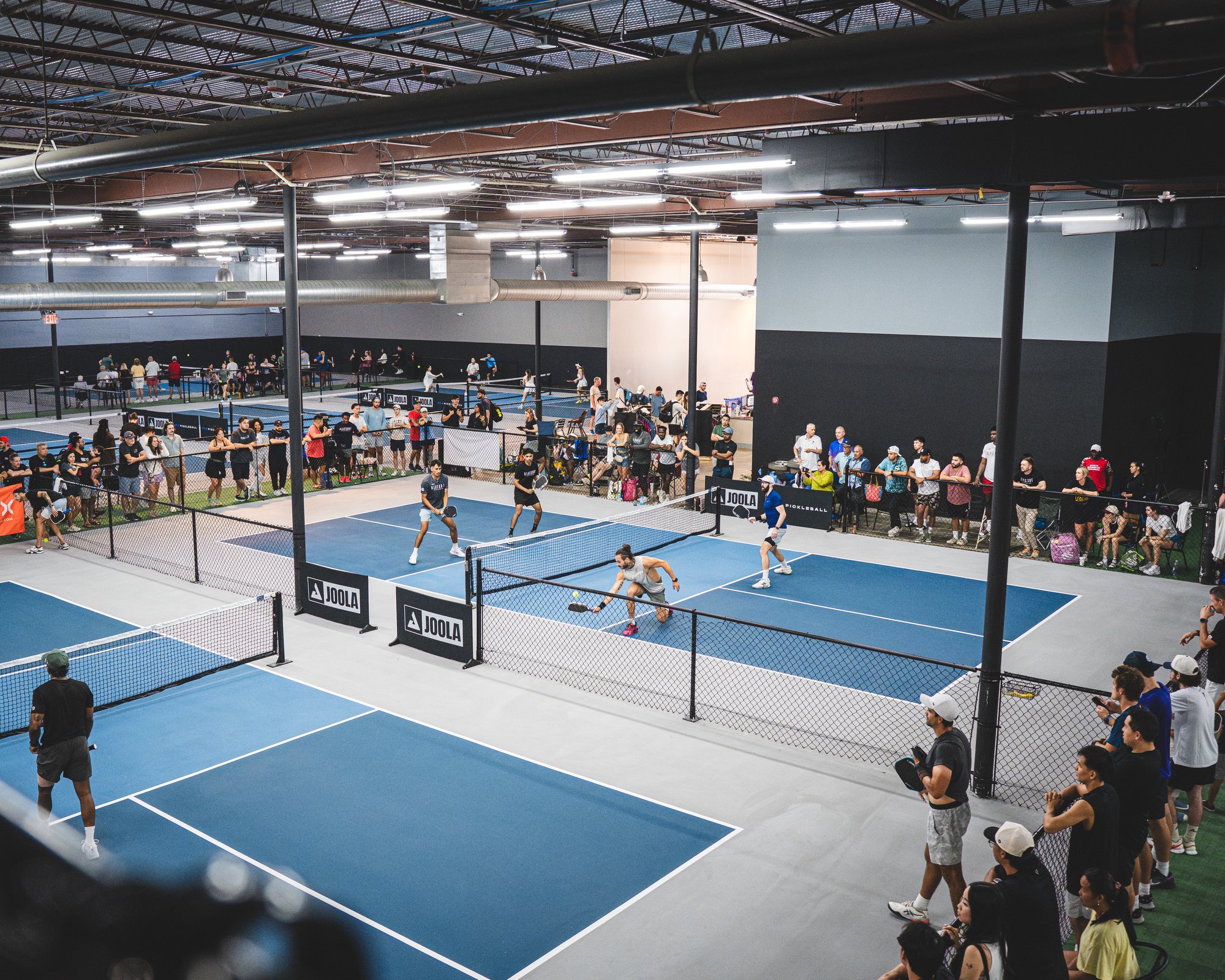
A practical starting point is to understand what the Era Pickleball Club offers in terms of facilities. Indoor pickleball courts at Era Pickleball provide a climate-controlled environment that keeps play consistent year-round. This isn’t merely a comfort feature; it translates into steadier terms of practice and fair competition. Outside of the windy days and heat waves, indoor courts let you train when you want, not when the weather allows. For players who are balancing work and family schedules, reliable indoor access can be a game-changer, especially during shoulder seasons when outdoor play becomes unpredictable. Era Pickleball also operates outdoor pickleball courts, giving players the option to shift from indoor to outdoor play as the seasons change or as they seek a different tactical flavor—sunlight, wind patterns, and court surface respond differently to each setting. Both environments are designed to be welcoming, with clear signage, comfortable viewing areas, and a public-facing front that communicates a no-drama ethos. The goal is that you can arrive, play, and connect with others without friction.
The club’s commitment to accessibility extends to its membership model. Pickleball is a sport that benefits enormously from repetition, but repetition means time on court, and time on court benefits from predictable costs. Era Pickleball’s membership structure is designed to be https://rentry.co/efv3w5up transparent and scalable. You can start with a base level that gives you access to open courts and social play, then layer on more specialized programs if you decide you want to pursue leagues, coaching, or clinics. In my experience, the most valuable aspect of membership isn’t the discount on court time alone; it’s the integrated access to a calendar of events that blends social play with structured development. When you have a roster of times, you can plan your week—practice with a partner after work on Tuesdays, join a ladder league on Thursdays, and then participate in a weekend tournament progression. This kind of cadence is essential for progression, especially for players who are juggling job commitments or family responsibilities.
Beyond the physical space, the heart of Era Pickleball Club is the people. The club’s team comes from a broad spectrum of backgrounds—teachers, engineers, health professionals, retirees—yet there is a shared tempo that binds everyone: a respect for the process, a clarity about goals, and a pragmatic attitude toward improvement. You’ll see players who are new to the sport mesh with seasoned players in ways that feel natural and welcoming. The coaching staff, when available, emphasizes fundamentals in a way that respects the experience of mid-level players while offering very concrete advice to beginners. In one season I watched a five-year-old learn to keep rallying with their parent while an adult in the next court refined their drop shot. The common thread is patient, precise guidance that helps people stay in the game longer and—crucially—have more fun with it.
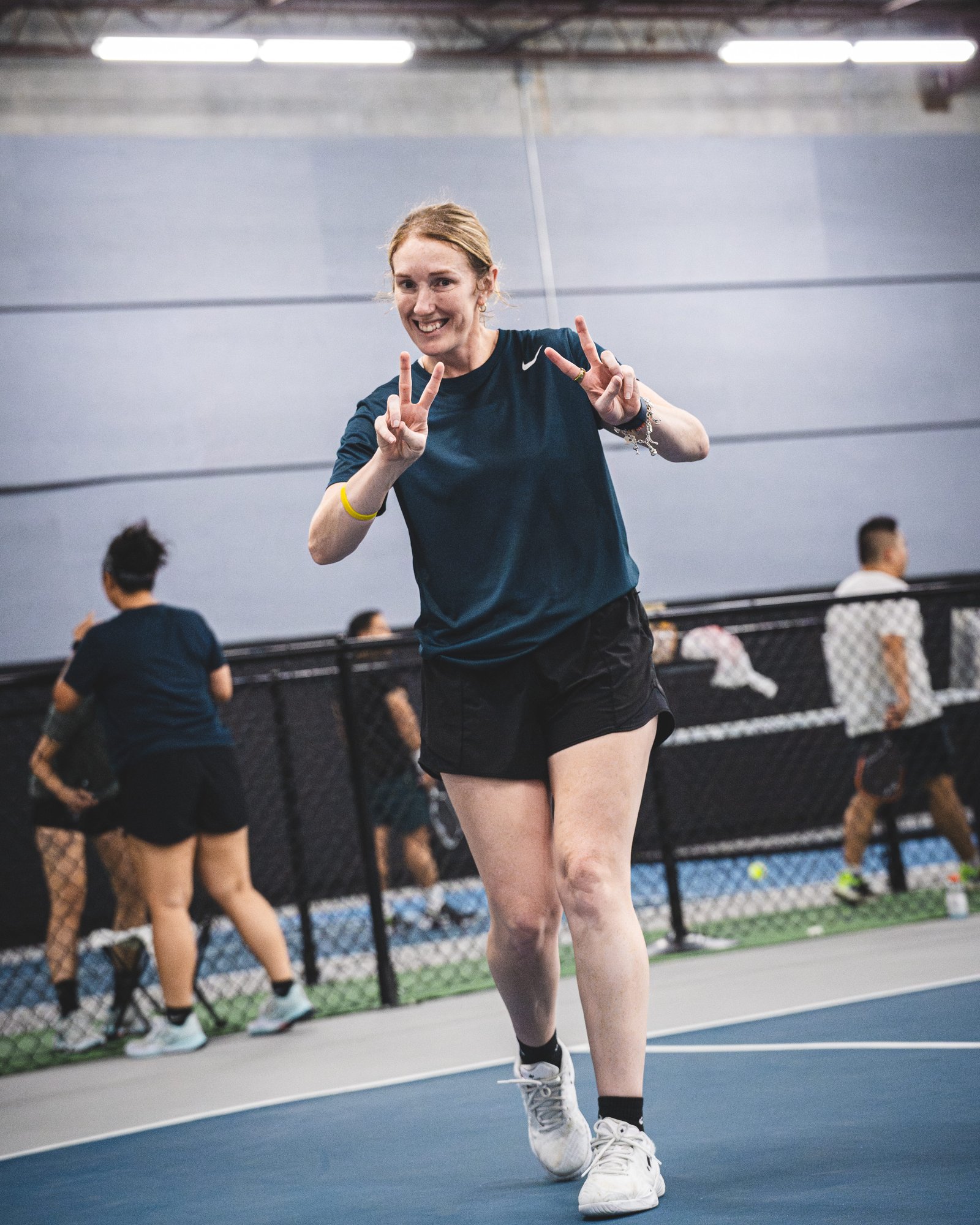
If you’re thinking about joining, you’ll want to understand the progression path Era Pickleball Club envisions for members. The club’s philosophy is not to push you into a league ladder before you’re ready but to provide safe, structured steps to get there. You start with fundamentals and social play to build confidence and consistency. Then you move into more organized formats: clinics, drills, and perhaps small group sessions that focus on specific aspects of play such as serve returns, transition footwork, and kitchen etiquette. The club also offers organized leagues that thread through the season, with play gaps that allow rest and recovery while still maintaining momentum. For many players, that balance makes the difference between a season of plateauing and one of noticeable growth.
From a practical standpoint, the quality of competition is a major attractor. Era Pickleball organizes round-robin formats so players can test against a wide range of styles, rather than facing the same partner ad infinitum. The experience is instructive not only for improvement but for decision-making under pressure. You’ll notice the coaching cues shift as you move along the ladder: early on, emphasis is on consistent contact and court positioning; later, the focus shifts to reading your opponent’s patterns, variation in serves, and a sharper understanding of pace control. There are moments during matches when a well-timed drop shot and a patient reset can win a point, but those moments are fewer and more meaningful when they’re backed by hours of deliberate practice.
The social fabric often determines whether a player sticks with a club for the long haul. Era Pickleball excels in this dimension by prioritizing connection opportunities outside of the court. Social events, member spotlights, and informal meetups help people see the club as a community rather than a payment plan with a weekday court reservation. It’s not unusual to see couples, friends, and colleagues turn up for mixed doubles sessions, post-match q and a sessions with coaches, or a casual brunch after a Sunday morning rally. This social capital is subtle but powerful, turning a place you go to play into a place you belong.
For anyone curious about the practicalities of joining, here are a few do-now items that have clear payoff. First, assess your current level honestly. If you’re new to the sport, you’ll want to prioritize clinics and mentoring sessions that reinforce proper technique and safety. If you have some experience, you’ll benefit from a structured plan that links drills to competition. Second, take a tour of the facilities during a busy period. Watching how players interact, how staff manage court flow, and how quickly issues get resolved gives you a tangible sense of daily operations. Third, inquire about scheduling and accessibility. The right club will offer a mix of open play windows, monitored practice times, and flexible options for members who work irregular hours. Fourth, ask about equipment policies. Some clubs provide paddles and balls for beginners, while others expect you to bring your own. Knowing the policy helps you budget and prepare without surprises. Fifth, talk to current members. A quick conversation can reveal the club’s true tempo, whether the culture is supportive, and how responsive leadership is to member feedback.
There is something especially satisfying about the communal rhythm of a season, and Era Pickleball Club helps establish that rhythm in a way that resonates with players who have real lives. The calendar is not a string of buzzwords but a tangible sequence of events that you can anticipate and plan around. You’ll see a pattern emerge: a steady cadence of drills and lobs midweek, a ladder league on Thursday evenings, a weekend tournament progression, then a social night where stories and strategies mingle over coffee. It’s all designed to keep your mind engaged and your body moving, with enough variety to prevent boredom while maintaining a clear throughline toward improvement.
A careful look at the coaching framework reveals another practical advantage. The coaching staff is not limited to a single style or approach. Some coaches emphasize aggressive net play and pressure, others stress patient exchange and shot selection, and a few specialize in building junior programs that run concurrently with adult offerings. This diversity means you can find guidance that matches your temperament and your goals. If your objective is to become a competitive player who can contribute meaningfully to a league team, you’ll want to work with coaches who can translate practice sessions into on-court decisions during matches. If your aim is to enjoy a social pastime with friends, you can lean into clinics that fine-tune fundamentals without turning the experience into a grind. The flexibility is liberating because it respects the different reasons people come to pickleball in the first place.
I’ve found that one of the most helpful ways to frame the value of Era Pickleball Club is to compare it with other community sports options. Pickleball has the advantage of leaving behind a steep learning curve once you’ve built basic competence, but only if you have regular access to quality practice and feedback. In a club like Era, the loops of activity are tightly integrated: you practice, you play, you get feedback, you adjust, you repeat. The result is a more predictable growth curve than you’ll often find in casual meetups or independent league play. And because the club’s facilities are designed for continuous use, you aren’t waiting for a court to open up at a weekday park you might otherwise abandon after a few weeks. You have a reliable home base, a plus in the longer arc of sport participation.
Of course, there are trade-offs to consider. A club environment can feel intense at times, particularly during peak hours when the courts are crowded and the pace picks up. If you’re simply seeking a low-pressure social outlet, you’ll want to identify the windows that align with your desired level of intensity. Era Pickleball makes an effort to calibrate this by offering distinct streams of activity: social play for casual participants, structured clinics for learners, and competitive leagues for more serious players. With a thoughtful schedule, you can sample each lane and decide what level of commitment suits you best. Another consideration is cost. A membership model provides long-term value, but you should weigh the annual or monthly dues against your annual court time if you’re a casual player who pops in only a few times a month. In many cases, the membership pays for itself once you factor in the access to coaching, clinics, and organized events that would otherwise carry separate fees. If you’re price-conscious, ask about guest passes or trial periods to test the ecosystem before committing.
Anecdotes from the field illustrate the real-world impact of joining Era Pickleball Club. I spoke with a parent who enrolled their teenage child into a junior program that runs in parallel with adult offerings. The child’s reaction was telling: after a few sessions, their confidence on the court translated into better performance in school gym classes and a noticeable improvement in reaction times during quick drills. For that parent, the program was not just a sport investment but a development investment. Another member described how joining the club connected them with colleagues from work. They started a weekly after-work doubles format, which became a low-stress way to decompress, maintain fitness, and strengthen team dynamics at the office. In both cases, the club functioned as a connective tissue that extended beyond the court.
If you’re reading this and weighing whether to take the plunge, here are some actionable steps to get you on the path quickly. First, map out a two-week trial plan. Reserve open court times, sign up for a beginners clinic, and attend a social session to feel out the culture. Second, bring a friend or partner along. You’ll benefit from shared learning, and you’ll have a built-in practice partner who helps you stay accountable. Third, choose a day to observe a practice or a league match. Watching how players communicate, how coaches give feedback, and how teams adapt mid-match is often more instructive than a clinic demo. Fourth, if you’re serious about progression, discuss a formal growth plan with a staff member or coach. A documented path with milestones gives you a predictable route toward a league roster or new skill areas to master. Fifth, commit to a regular cadence for at least eight weeks. Consistency compounds gains, and that period is a realistic window to start closing the gap between where you are and where you want to be.
In truth, joining Era Pickleball Club is less a one-time decision than a long-term commitment to a habit. The club thrives on consistent participation, the kind that transforms vague aspirations into measurable improvement. The social infrastructure—as important as the coaching and court quality—supports people who might otherwise drift away from sport because life gets busy. When the doors open, it’s not just a workout that begins; it’s a sequence of moments that say this is possible, this is enjoyable, and this is a community you want to be part of.
Two practical viewpoints to help you decide quickly:
First, consider your priorities. If your aim is steady improvement with a clear ladder of progression, Era Pickleball Club offers a well-articulated path with clinics, drills, and organized leagues that map to real on-court demands. If you want a more social, low-pressure environment, you can tailor your participation around open play and casual doubles while still benefiting from member access to facilities and events. The environment supports both trajectories, which is a meaningful strength.
Second, account for your schedule and travel radius. If you live within a reasonable drive of the club, the value of reliable courts and a community that is eager to welcome new players compounds quickly. If you’re on the fence about location, take a test drive day. Many clubs arrange days where prospective members can come in, try a few different formats, and talk with coaches and current members about what to expect in a typical week. You’ll walk away with a clear sense of how your minutes on the court translate into real-world improvement.
In the end, Era Pickleball Club embodies the practical essence of community sport. It isn’t an abstract ideal; it’s a functioning, evolving ecosystem designed to help people move from curious beginner to confident participant, and then onward toward meaningful competition if that’s your path. The facilities are reliable, the schedules coherent, and the culture accessible to players at every stage. That combination—material quality, structured opportunity, and a welcoming heartbeat— carries real weight when you’re evaluating where to invest your time and energy in a sport that rewards persistence as much as talent.
If you’re ready to take the next step, here is a concise perspective on what happens after you join:
- You’ll receive an orientation packet that explains the facility layout, the court reservation system, and the etiquette guidelines that keep play smooth during busy periods. This is your first map, your quick reference to the unspoken rules that govern club play.
- You’ll sign up for a starter clinic or a fundamentals session. The goal is not to overwhelm you with technique in one sitting but to establish a solid baseline so you can build from it with confidence.
- You’ll be assigned or matched with practice partners or a mentor for the first several weeks. The right partner helps you translate what you learn in drills into practical on-court decisions.
- You’ll have access to a calendar of events that blends social activities with competitive opportunities. The rhythm matters because consistent exposure to different formats accelerates learning.
- You’ll begin to see your personal metrics improve: rally length, first serve accuracy, net effectiveness, and your ability to adjust shot selection under pressure. The club’s environment makes these improvements observable and measurable over a season.
The decision to join Era Pickleball Club isn’t a statement about your current skill level. It’s a commitment to a process—a structured, supportive, and social path to getting better at a sport that rewards both perseverance and creativity. If you’re ready for a community that treats improvement as a shared journey, you’ll find a home here. The courts await, the teammates await, and the season waits for no one. Seize the opportunity to be part of a local team that values your time, your effort, and your love of the game.
Two curated options for readers who want quick, actionable steps toward joining:
- A focused starter plan for new players: book a fundamentals clinic, observe a practice session, pair up with a practice partner, and schedule a short follow-up assessment with a coach to fine-tune technique before stepping into league play.
- A mid-level progression track for players seeking competition: join a ladder or small-group drills, commit to at least two structured practice sessions per week, sign up for a preliminary league event, and request feedback from a coach after three matches to accelerate adjustments.
Era Pickleball Club represents more than a place to play; it is a practical framework for turning enthusiasm into meaningful, sustained participation. It’s a living organism that grows with its members, continuously refining the balance between challenge and support, competition and camaraderie, skill and joy. If you’re contemplating where to spend your next several months, this club offers a compelling alignment of resources, culture, and opportunity—a rare combination in local sports ecosystems. The best way to know for sure is to visit, try a few sessions, and listen to the voices of players who have already integrated into the fabric of the club. When you do, you’ll likely hear the same refrain I’ve heard from countless members: this is where the game becomes more than just a pastime, it becomes a community you want to belong to for the long run.